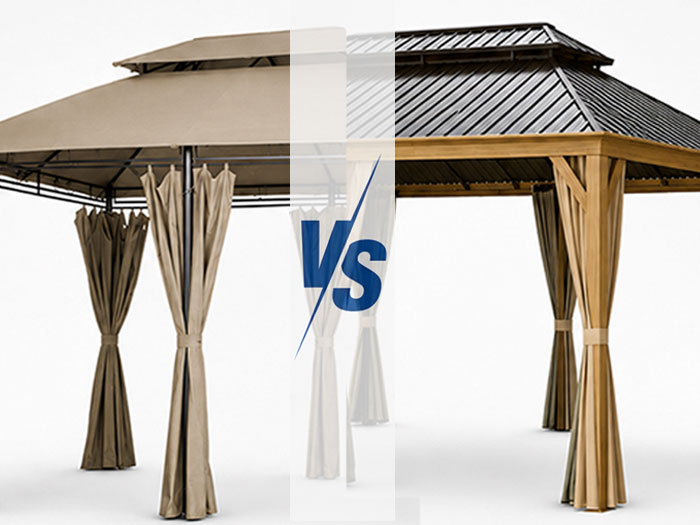

Many buyers start by comparing gazebo shapes, colors, or prices. But when the project gets closer to purchase, one question usually matters more: should the gazebo use a hardtop roof or a soft top canopy?
The answer is not always obvious from product photos. Two gazebos can look similar and still work very differently once they are exposed to wind, rain, sun, and long-term outdoor use. In some projects, the main concern is stability and service life. In others, the main concern is cost and easier installation.
That is why this decision should not be based on appearance alone. Once the gazebo is installed and used outdoors for a longer time, the roof choice can affect stability, maintenance, and overall value in ways that product photos do not show.
This guide breaks down those differences in simple buying terms, so you can compare the two options with a clearer buying logic.
Quick Comparison: Hardtop vs Soft Top Gazebo
The fastest way to compare the two types is to look at the core factors that matter most in real use.
| Comparison Point | Hardtop Gazebo | Soft Top Gazebo |
|---|---|---|
| Roof material | Metal, polycarbonate, or other rigid roofing materials | Fabric canopy, often polyester, PE, or coated outdoor fabric |
| Durability | Usually stronger and better for long-term fixed use | Usually lighter, with a shorter roof lifespan |
| Weather resistance | Better suited to wind, rain, and snow when installed correctly | Better for mild weather and seasonal use |
| Installation | Heavier and usually more complex to install | Easier and faster to install |
| Maintenance | Lower roof replacement frequency, but still needs regular inspection | Canopy fabric may need cleaning, storage, and eventual replacement |
| Initial cost | Usually higher | Usually lower |
| Best use case | Permanent patios, gardens, poolside areas, and commercial outdoor spaces | Seasonal shade, budget projects, and flexible outdoor setups |
In simple terms, hardtop gazebos are usually better when long-term value matters more than the starting price. Soft top gazebos are usually better when buyers want a simpler structure, lower cost, and more flexible use.
Why They Perform Differently
The difference between hardtop and soft top gazebos is not only about roof material. It also comes from the way the whole structure handles weather, weight, installation, and long-term use.
If you want to compare roof materials in a broader way, see Best Material for Gazebo Roof: 8 Types You Should Know.
1. Materials and Structure Affect Service Life
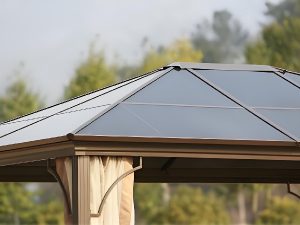
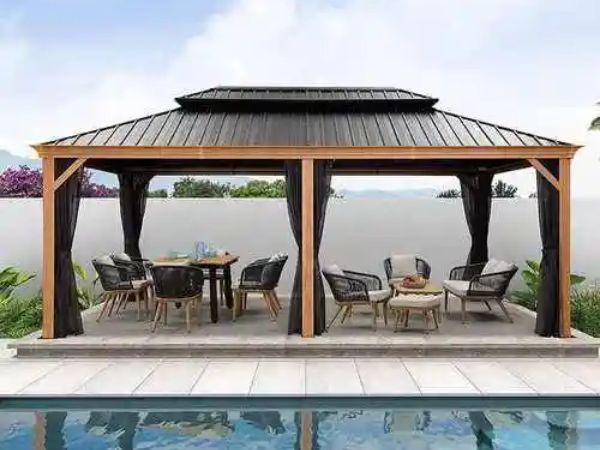
A hardtop gazebo usually uses rigid roofing materials such as aluminum, steel, galvanized steel, or polycarbonate. These materials are less likely to stretch, sag, or deform over time. That gives the structure a more stable feeling and usually a longer service life.
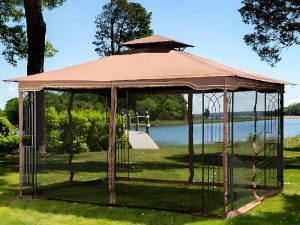
A soft top gazebo uses fabric roofing instead. Fabric canopies are lighter and easier to handle, but they are also more exposed to aging from sunlight, rain, wind, and repeated storage. For that reason, the canopy may need replacement sooner than a hard roof.
For buyers, the real question is not only “Which one looks better?” It is also “How long do I want this gazebo to stay in service before I need major maintenance or replacement?”
2. Weather Resistance Depends on More Than the Roof
Many buyers assume that roof type alone decides weather performance. In reality, weather resistance depends on the roof, the frame, the roof slope, and the way the gazebo is anchored to the ground.
A hardtop gazebo is usually a better choice for areas with stronger wind, more rain, or even light snow, as long as the structure is installed correctly and the base is stable. A soft top gazebo can still work well in many outdoor spaces, but it is usually better suited to milder weather and seasonal use.
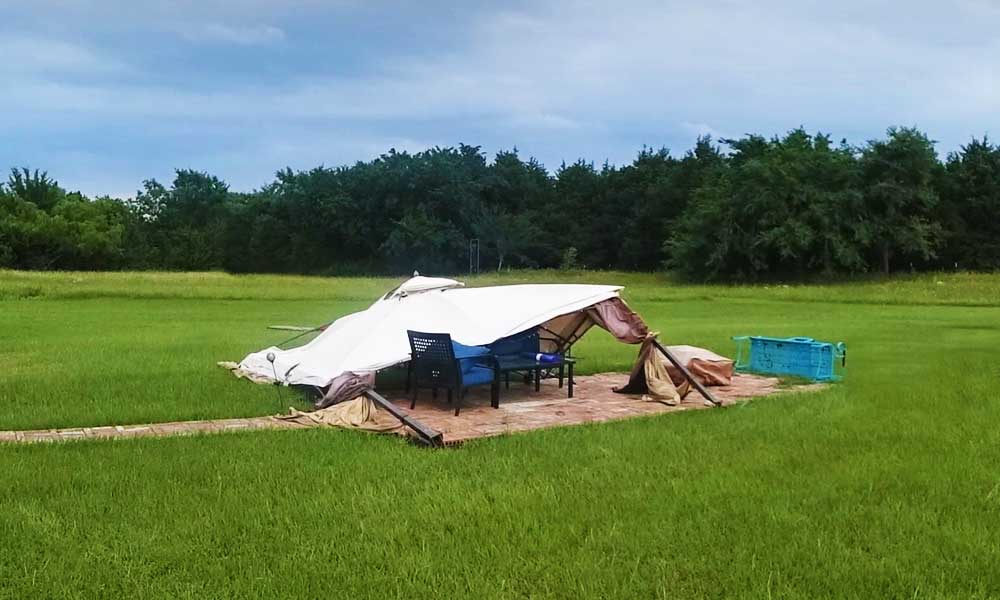
That is why the installation location matters so much. A gazebo on a fixed patio with solid anchoring has a very different performance profile from a lightweight structure placed in an open area with stronger wind exposure. A coastal patio, a hotel terrace, and a backyard with full sun all create different buying conditions.
If wind exposure is one of the main concerns, it is also worth checking How Much Wind Can a Gazebo Withstand?.
3. Upfront Cost and Long-Term Cost Are Not the Same
Soft top gazebos usually cost less at the beginning because the materials are lighter and the structure is simpler. That makes them attractive for buyers who want a lower entry price or a faster purchase decision.
Hardtop gazebos usually cost more upfront, but they may reduce long-term replacement and maintenance costs. If a buyer plans to keep the gazebo in place for years, the higher initial cost can be easier to justify.
So the real cost question is not only “Which one is cheaper today?” It is also “Which one gives better value over the full use cycle?”
4. Installation and Site Conditions Matter
A soft top gazebo is usually easier to install because the frame and roof are lighter. That makes it a practical choice for buyers who want a faster setup or a less demanding installation process.
A hardtop gazebo usually needs more time, more help, and a more stable base. Because the structure is heavier, the ground condition and anchoring method become more important. If the site is uneven or too weak, the structure may not perform as intended.
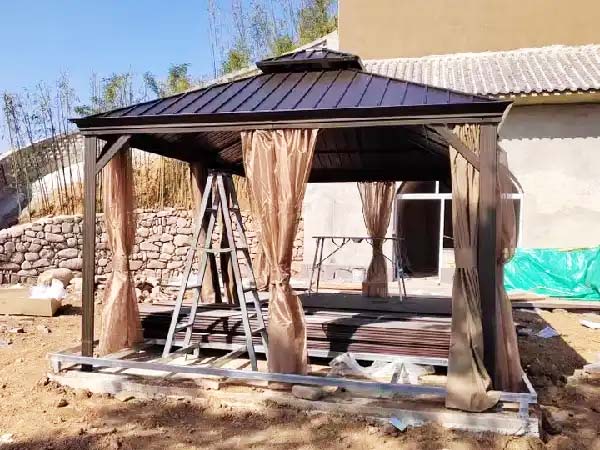
This is one of the biggest reasons buyers should think about the site before they choose the product. A gazebo is not just a product choice. It is also a site and installation choice.
For anchoring and setup details, see How Do You Secure a Gazebo or a Pergola? 7 Expert Tips.
How to Choose the Right Type
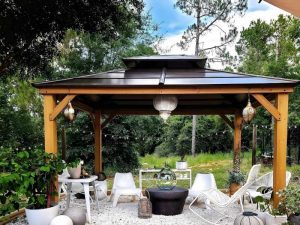
If you want a long-term outdoor structure for a patio, backyard, deck, or garden, a hardtop gazebo is usually the safer choice. It is generally better when the structure will stay in place through more than one season and when the buyer wants fewer roof-related replacements over time.
If your main goal is a lighter structure, easier installation, and lower initial cost, a soft top gazebo is often more practical. It works well for seasonal shade, temporary layouts, and projects where flexibility matters more than long service life.
For commercial buyers, the choice often depends on how the product will be sold or used. A hardtop gazebo may fit a higher-end outdoor furniture range, hospitality project, or a market where customers expect a more permanent outdoor feature. A soft top gazebo may fit entry-level retail, seasonal promotion, or budget-focused customer segments where fast turnover matters more than heavy-duty structure.
The best decision usually comes from matching the product to the use case, not from choosing the more expensive option by default.
Buying Tips Before You Decide
Before you place an order, it helps to confirm a few practical details.
- Where will the gazebo be installed?
- Is the site fully exposed to wind or rain?
- Will the structure stay in place year-round?
- How much maintenance is the end user willing to handle?
- Is the project focused on long-term value or lower entry cost?
- Does the buyer need replacement parts or future canopy replacement?
For wholesale buyers, the packaging size, shipping cost, spare parts supply, and after-sales support also matter. A gazebo that is easy to sell is not always the same as a gazebo that is easy to support after delivery.
Conclusion
Hardtop and soft top gazebos are built for different priorities. Before buying, compare the installation site, local weather, maintenance expectations, and the end user’s budget. A gazebo that looks right on a product page can still be the wrong choice if it does not match the real site conditions.
If you are sourcing gazebos for wholesale, retail, or project use, LIDA OUTDOOR can help you compare hardtop and soft top options, check material choices, and find the right structure for your market. If you already have a target market in mind, the next step is usually to match the roof type, frame strength, and price level to that market before placing the order.
You can also browse the current gazebo product page or contact us if you want help narrowing down the right model for your market.
FAQ
1. Is a hardtop gazebo always better than a soft top gazebo?
No. A hardtop gazebo is usually better for long-term, fixed outdoor use, but a soft top gazebo can be the better choice when the buyer wants a lower price, easier installation, or seasonal flexibility. The better choice depends on how often the gazebo will be used and how much weather exposure it will face.
2. Can a soft top gazebo be used in windy areas?
It can be used in some windy areas, but it is usually better for milder conditions. In stronger wind zones, a hardtop gazebo with proper anchoring is usually a safer option. If the project is in an open or coastal location, the buyer should be especially careful with canopy stability.
3. Which gazebo is easier to install?
A soft top gazebo is usually easier to install because the structure is lighter. A hardtop gazebo often needs more time, more labor, and a more stable base. For buyers who want a quick setup or a simpler delivery process, that difference can matter a lot.
4. Which gazebo needs less maintenance?
A hardtop gazebo usually needs less roof replacement over time, but it still needs regular checks on fasteners and frame stability. A soft top gazebo often needs more fabric care and eventual canopy replacement. In other words, hardtop usually reduces fabric-related upkeep, while soft top usually needs more canopy attention.
5. Which type is better for wholesale buyers?
It depends on the target market. Hardtop gazebos often fit premium and long-term use segments, while soft top gazebos often fit budget and seasonal markets. The right answer usually comes from the customer base, price point, and expected usage life.