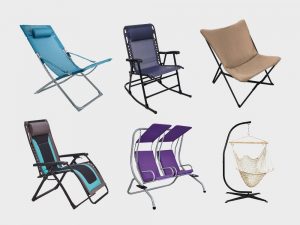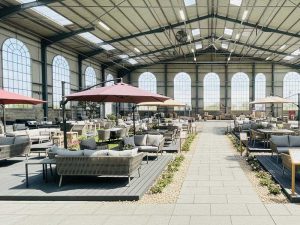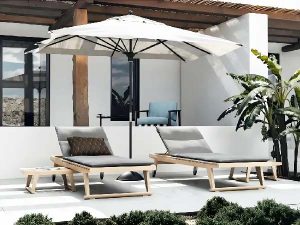

Currently, there is no single, globally recognized definition of “patio furniture” across international standards, academia, or the manufacturing industry. Functionally, however, it is defined as movable furnishings designed for patios, terraces, and other outdoor spaces to support activities like dining and relaxation. This category includes tables, chairs, sofas, and complete outdoor sets.
Because these pieces must withstand the elements, they have some unique characteristics and should meet specific durability standards. Below, LIDA OUTDOOR breaks down these features and standards and shares the 10+ trending patio furniture styles.
Part 1. Outdoor Patio Furniture Characteristics
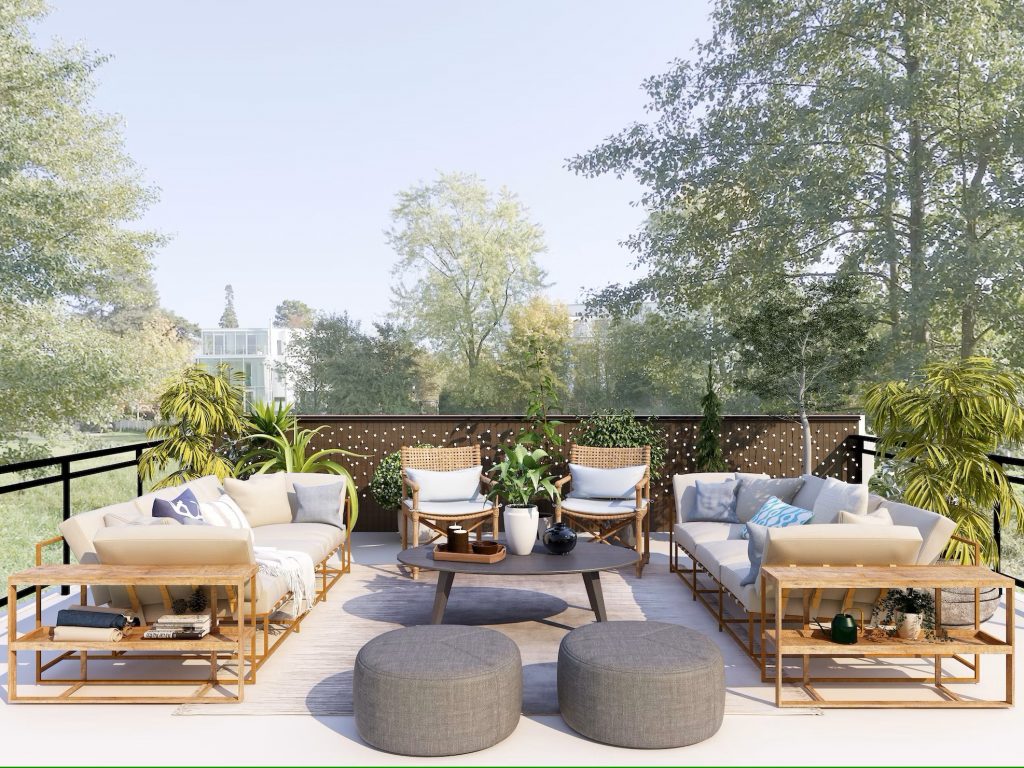
The terms “patio furniture” and “outdoor furniture” are often used interchangeably. However, strictly speaking, patio furniture is a subset of outdoor furniture, primarily designed for use in home patios, gardens, and similar spaces.
It typically has the following characteristics:
- Scene Specificity: The primary use of patio furniture is in outdoor or semi-outdoor spaces, such as patios, terraces, balconies, porches, poolside areas, or garden corners.
- Functionality: The design of patio furniture is primarily focused on meeting various outdoor activity needs, such as sitting, dining, and resting. This includes providing comfortable seating, convenient dining surfaces, and supplementary features like shade.
- Weather Resistance: Patio furniture is exposed to natural elements, so it must be made from durable materials that withstand sun, rain, humidity fluctuations, and temperature changes. This is the key distinction between patio furniture and indoor furniture.
- Portability: Unlike fixed structures, furniture’s mobility allows users to rearrange the space as needed.
International Standards for Patio Furniture
Like any product, patio furniture is also subject to international standards, which are primarily set by two technical committees: ISO/TC 136 (Furniture) and CEN/TC 207 (Furniture). If you’re involved in the outdoor patio furniture business, it’s important to be aware of these regulations.
These standards cover several key areas:
- Safety: For instance, EN 581-1 outlines basic safety principles for patio furniture design and manufacturing to prevent user injury. This includes treating edges and corners (rounding or beveling to avoid sharp points) and taking precautions to prevent finger pinching at folding or adjustable mechanisms.
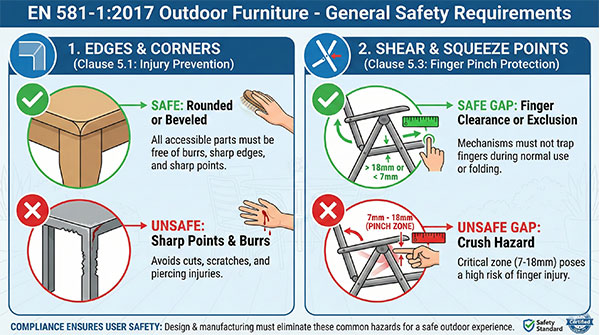
EN581 General Safety Requirements - Weather Resistance and Durability Testing: Standards such as ISO 16474, ASTM G154, and ASTM G155 use Xenon Arc Lamps to simulate full-spectrum sunlight or specific ultraviolet light bands. These tests accelerate material degradation (e.g., fading, chalking, or loss of strength) to predict the service life of outdoor shade products.

Xenon Arc Lamps Weather Tester
Although these international and regional standards exist, their application and enforcement are not universal in some countries or regions, leading to uneven product quality in the market. Furthermore, different types of patio furniture require attention to specific details when purchasing, making it difficult to establish a single, unified standard.
Part 2. 11 Popular Types of Outdoor Patio Furniture
Outdoor patio furniture comes in a wide range of types, which can be classified based on functionality, style, and other factors. For instance, by function, it can be divided into patio dining furniture, relaxation furniture, and social/entertainment furniture.
Below, we outline some of the most common product types.
Dining Sets: Patio dining sets typically include a table and chairs. And provide a designated area for outdoor meals and gatherings.
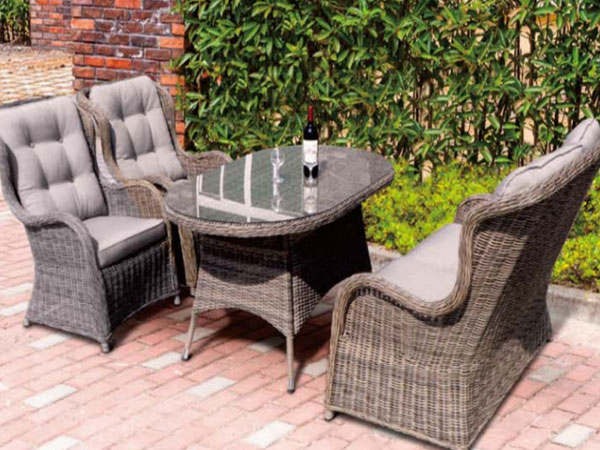
Seating Sets: Patio seating sets typically include sofas, chairs, and coffee tables. Which creates a comfortable space for lounging and conversation.
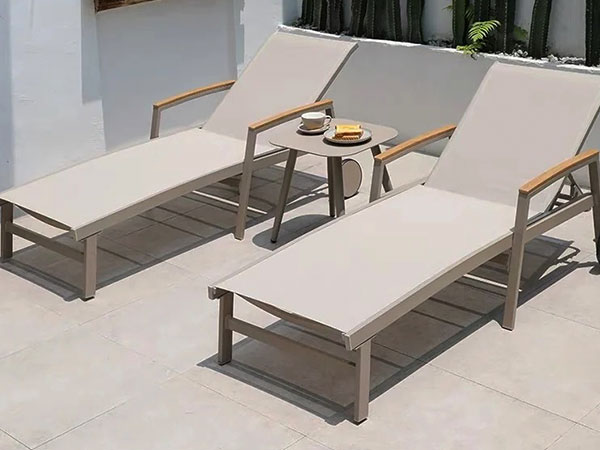
Chaise Lounges: These are long, reclining chairs designed for relaxation, often used around pools or on sunny patios.
Adirondack Chairs: Known for their distinctive slanted backs and wide armrests, Adirondack chairs offer a laid-back, comfortable seating option.
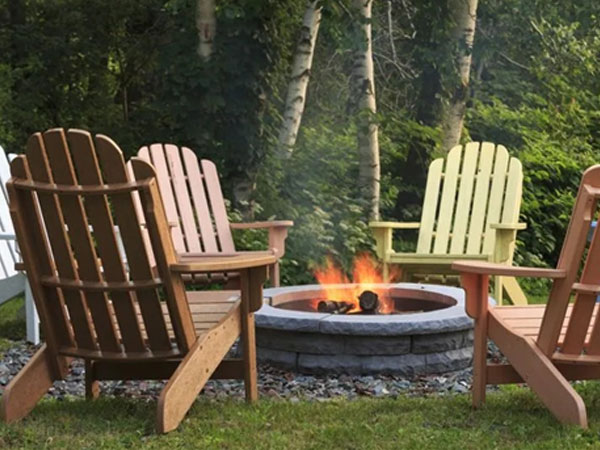
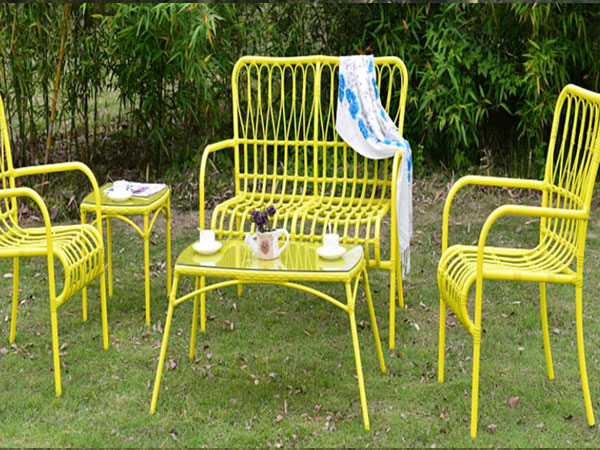
Bistro Sets: Compact sets with small tables and chairs, ideal for smaller outdoor spaces like balconies.
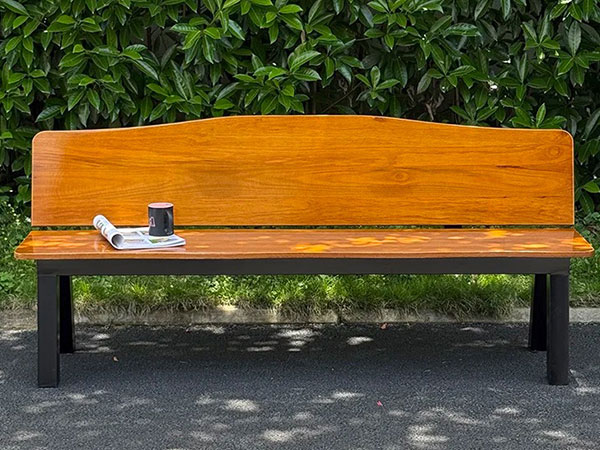
Benches: Outdoor benches provide versatile seating options and can be placed against walls or used as standalone pieces.
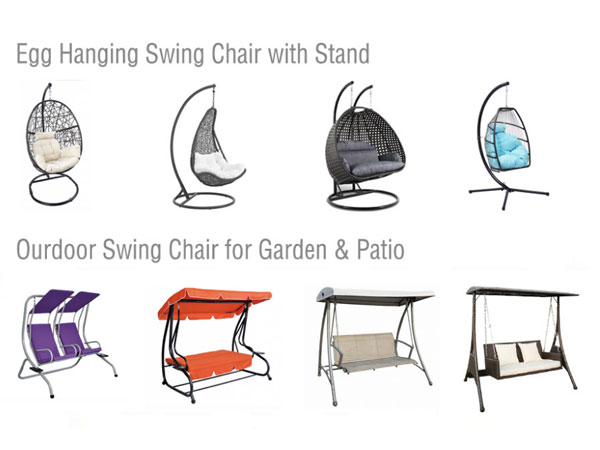
Swings and Hammocks: Hanging swings and hammocks offer a relaxing and swinging motion for ultimate outdoor comfort.
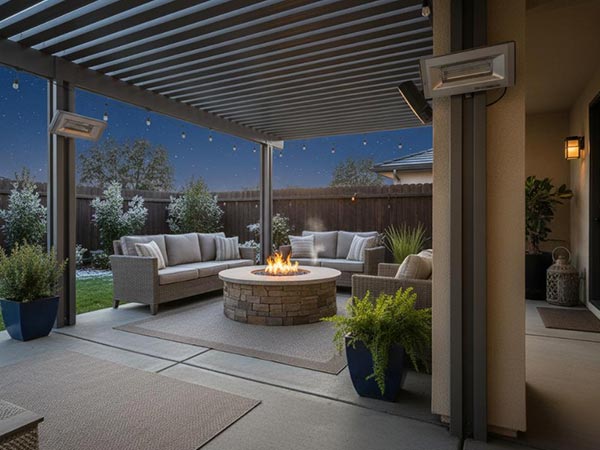
Fire Pits and Outdoor Heaters: These additions provide warmth and extend the usability of outdoor spaces during cooler weather.
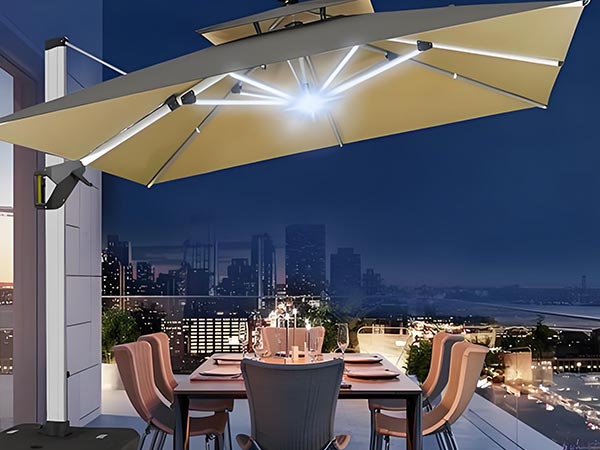
Umbrellas and Shade Structures: Patio umbrellas and shade structures provide relief from the sun, making outdoor spaces more comfortable.
Storage Furniture: Outdoor storage benches and cabinets offer practical solutions for storing cushions, pillows, and other accessories when not in use.
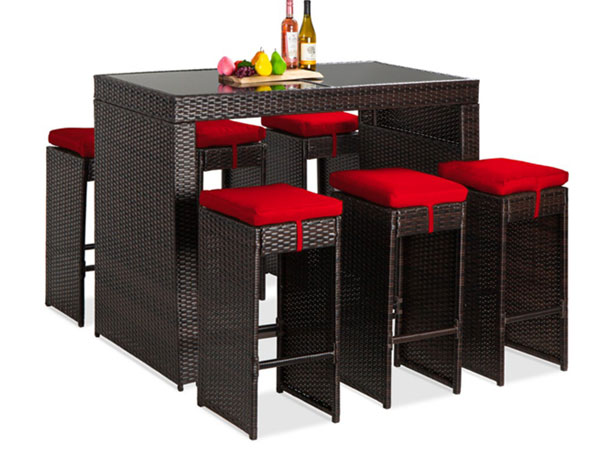
Bar Sets: Outdoor bars and barstools are designed to create a casual and social atmosphere in outdoor spaces.
Part 3. Commonly Used Materials for Patio Furniture
The lifespan of patio furniture largely depends on the materials used and the manufacturing process.
While the categories (wood, metal, fabric) are similar to indoor furniture, the specifications are very different. Outdoor pieces require much higher weather resistance and sturdiness. They must be treated to survive sun, rain, and wind. Only by meeting these high standards can furniture remain functional in harsh environments.
| Material | Advantages | Disadvantages | Common Types |
|---|---|---|---|
| Wood | Visually appealing, durable, and can be refurbished | Requires regular maintenance, heavy, expensive | Teak, Eucalyptus, Acacia, Cedar, Cypress |
| Metal | Strong, durable, versatile design options | Can become hot/cold, may rust, heavy | Aluminum, Steel, Cast/Wrought Iron |
| Synthetic Materials | Waterproof, low maintenance, lightweight | Cheap plastics may fade, lightweight (wind-unstable) | Resin/Polypropylene, HDPE, Synthetic Wicker, Fiberglass |
| Other Materials | Concrete is modern and durable; Stone is durable | Heavy, may require sealing, may be difficult to move | Concrete, Stone, Fabric |
Manufacturing Process Also Important
High-quality patio furniture depends not only on the materials used but also on the manufacturing process. Key processes include:
- Frame Construction: The quality of welding points is crucial. Full welding (360-degree welding) is more durable than spot welding. Metal frames should be uniformly coated with a thick powder coating for optimal corrosion protection.
- Weaving Process: For synthetic wicker furniture, the tightness and uniformity of the weave are key indicators of quality.
- Assembly and Hardware: Bolts, nuts, and other hardware should be made from stainless steel or rust-treated materials. The product assembly design should be sound to ensure structural stability.
You should be aware that low-priced products often compromise on materials and craftsmanship. While the initial cost may be lower, these products may incur higher long-term costs due to frequent repairs or replacements.
What is the difference between Patio Furniture, Outdoor Furniture, and Garden Furniture?
In everyday language and commercial marketing, the terms “Patio Furniture,” “Outdoor Furniture,” and “Garden Furniture” are often used interchangeably. However, they each have slightly different meanings, though all refer to furniture specifically designed for outdoor use.
- Outdoor Furniture is the broadest and most inclusive term, encompassing all types of furniture designed for outdoor spaces. This includes furniture for private patios, outdoor café seating in commercial spaces, or public park benches.
- Patio Furniture typically refers to furniture specifically designed for residential, paved patio or terrace areas. It focuses on creating a comfortable, functional “outdoor living room” or “outdoor dining area.”
- Garden Furniture generally refers to furniture that blends with garden landscapes, often with a more rustic or decorative style. Examples include benches or small tables placed among flowers and plants.
In practice, however, these distinctions are often blurred. Many brands label their products as both “patio furniture” and “outdoor furniture” to target a wider audience and increase search visibility. As a result, Patio Furniture can be considered the core and most mainstream subset of the broader Outdoor Furniture category.
Conclusion
As outdoor living continues to grow in popularity, patio furniture will undoubtedly evolve to meet changing consumer needs and environmental challenges. Future trends are likely to focus on enhanced durability, sustainability, and multi-functional designs that adapt to various outdoor spaces.
Don’t Miss: 2025 Insights: Innovations and Trends in Outdoor and Patio Furniture
As technology advances, we can also expect more eco-friendly materials and smart furniture solutions, ensuring comfort, style, and sustainability for years to come.