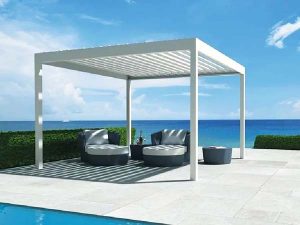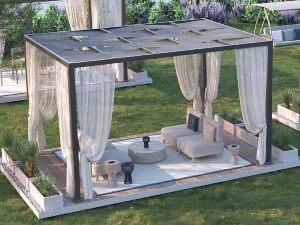

Originating in ancient Rome, the pergola has become a defining element of modern outdoor design for patios, gardens, and other open-air spaces. Beyond shade, a pergola can deliver aesthetic value, support ecological functions (like climbing plants and microclimates), and foster social interaction. Over its long evolution, pergolas have been built from many different materials, each with its own look and durability, which, in turn, influence how well these functions are achieved.
In this post, LIDA OUTDOOR’s shade-design specialist Zheng will explain why pergola materials matter and introduce the eight most common options, including wood, metal, vinyl (PVC), wood–plastic composite (WPC), fiberglass, concrete/reinforced concrete, natural stone (granite, limestone) and bamboo, with outlining their characteristics and ideal use cases to help you make the right choice.
What is a Pergola? Why is Material so Important?
Before diving into the materials, let’s first discuss the characteristics of this shade structure and why the pergola material is so important.
A Pergola is an outdoor structure typically composed of columns and an open beam roof. It can be freestanding or attached to a building, commonly found in gardens, patios, and yards. It provides shade for outdoor activities while enhancing aesthetics. Besides enhancing visual appeal, a Pergola can also support climbing plants, creating a natural and harmonious environment.
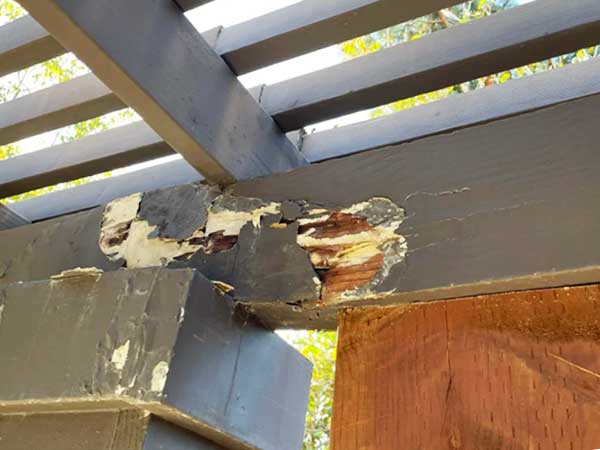
Ultimately, a pergola’s aesthetics and structural performance depend on its material. Therefore, material selection is critical. Different materials vary in corrosion resistance, load-bearing capacity, surface texture/finish, price, and maintenance requirements. The right material can ensure long-term stability in your local climate, harmony with the overall landscape, and cost-effective upkeep over the life of the structure.
At-a-Glance Comparison of Pergola Materials
Here’s a quick comparison of common pergola materials, including their relative price, typical maintenance needs, signature traits, and where they fit best.
| Material | Relative Price | Maintenance | Key Traits | Best-Fit Scenarios |
|---|---|---|---|---|
| Cedar | Medium | Medium | Naturally rot-resistant, attractive grain | Upscale residential yards |
| Redwood | Medium | Medium | Long-lasting color, strong weathering | Private gardens with color retention needs |
| Pressure-Treated Pine | Low | High | Budget-friendly; treatment degrades over time | Cost-conscious DIY projects |
| Aluminum | High | Low | Lightweight, corrosion-resistant, low-maintenance | Commercial/public pergolas; modern minimal styles |
| Stainless Steel | High | Low | Highest strength and rust resistance | Long spans or high-load sites |
| Galvanized/Powder-Coated Steel | Medium | Medium | Balanced cost; reliable anti-rust finish | Mid-scale residential/public pergolas |
| Vinyl (PVC) | Low | Low | Waterproof, rot-proof, color-stable | Low-maintenance homes or rentals |
| Wood–Plastic Composite (WPC) | Medium | Low | Wood look + plastic weatherability | Aesthetics with minimal upkeep |
| Bamboo | Medium | Medium | Eco-friendly, natural aesthetic | Eco-themed or Asian-style gardens |
| Concrete/Reinforced Concrete | High | Low | Very high capacity and durability | Large public pergolas, plazas |
| Fiberglass (FRP) | High | Low | Ultra-light, corrosion-resistant, paintable | Modern lightweight or artistic structures |
| Natural Stone (Granite, Limestone) | High | Low | Dense, luxurious, highly weatherable | High-end estates, classical European gardens |
To help you choose with confidence, the next sections walk through each material in more detail, including what it’s made of, how it performs, and when it’s the right fit.
8 Different Pergola Materials, Their Features, and Selection Factors
A wide range of materials is available on the pergola market. And each material has its own advantages and considerations. In this section, we’ll discuss eight pergola materials, their features, pros and cons, and key factors to consider when choosing one.
1. Wood
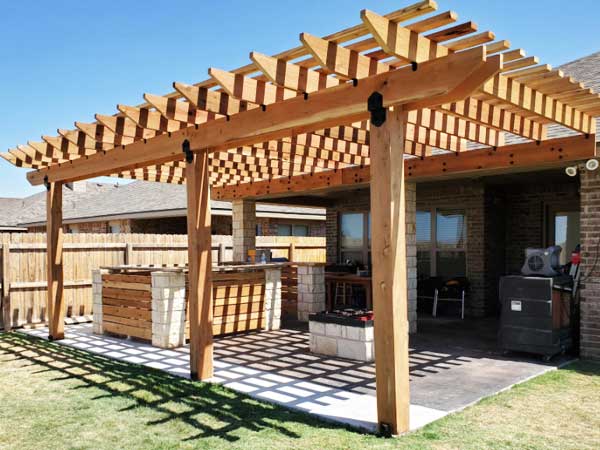
Whether you’re DIY-ing or buying a ready-made Pergola, wood is one of the most commonly used materials. However, different types of wood have their own features and advantages. Here, we mainly introduce cedar, redwood, and pressure-treated pine.
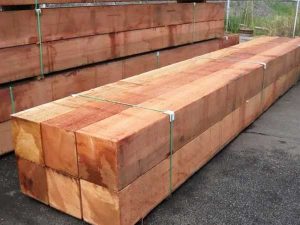
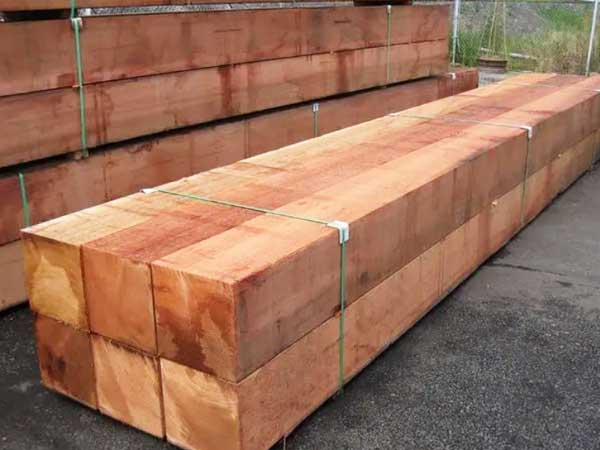
- Cedar: Cedar is naturally resistant to decay and insects. It is lightweight and easy to work with, making it an excellent choice if the price isn’t a concern. Its natural reddish-brown color allows it to blend seamlessly into the yard.
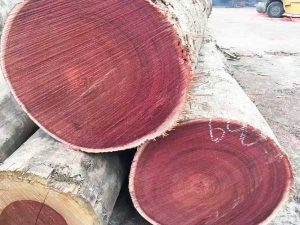
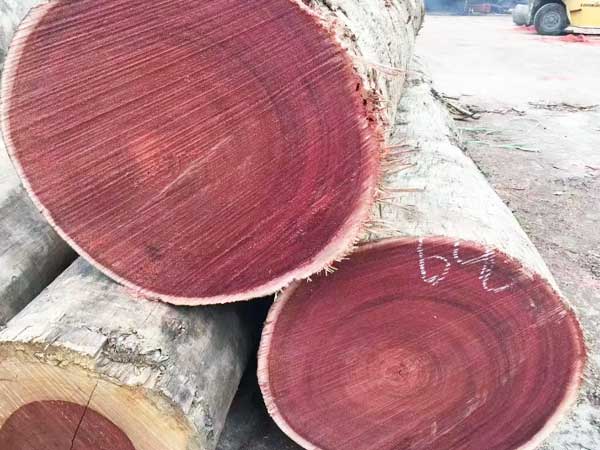
Cedar - Redwood: Redwood secretes natural oils that provide excellent resistance to decay and insects. As a durable and high-quality wood, it’s one of the best choices for Pergolas, especially when the budget allows.
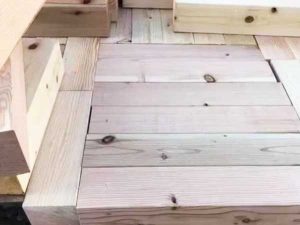
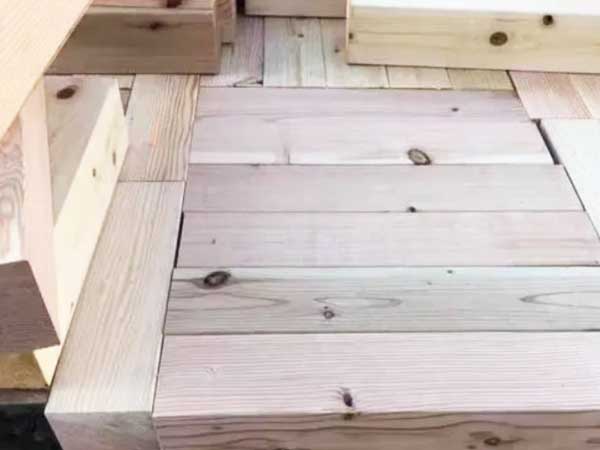
Redwood - Pressure-Treated Pine: A cost-effective option. Treated with chemical agents, it offers resistance to decay and insects, increasing its durability. While not as naturally beautiful as cedar or redwood, it offers flexibility through staining or painting to achieve different textures and colors.
Pressure-Treated Pine
Pros and Cons of Wooden Pergolas and Factors to Consider
Wooden Pergolas are naturally beautiful, highly customizable, and durable, making them a versatile fit for various design styles. However, they do require regular maintenance, such as painting or protective treatments. When choosing wood, consider factors like climate, budget, and maintenance needs. Wood is best suited for dry or mild climates and requires regular upkeep. A wooden pergola is an ideal choice if your yard is designed with a natural style. Also, the sustainability of wood sourcing should be considered.
2. Metal
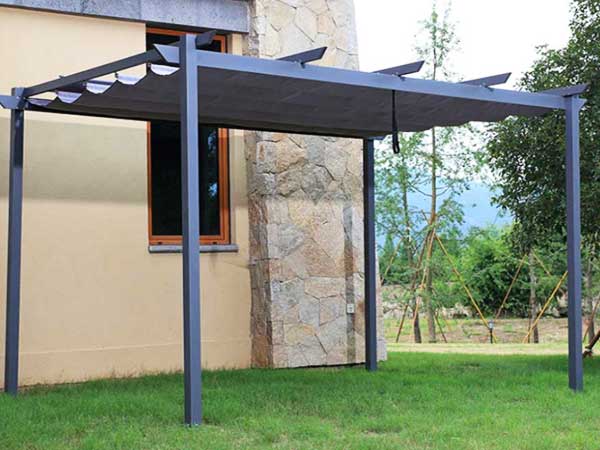
Metal is popular for Pergolas due to its structural stability and easy transportation. The common types of metal Pergolas include aluminum, steel, and iron.
- Aluminum: Lightweight and highly corrosion-resistant, aluminum requires low maintenance, making it a popular choice for modern Pergolas. It can withstand harsh weather, especially in humid or rainy environments.
- Steel: Steel comes in various types, like stainless, galvanized, powder-coated, and black steel. It is a durable and low-maintenance material. Adding coatings or elements like chromium and nickel enhances its corrosion resistance. While heavier than aluminum, it remains a reliable choice for Pergola materials.
- Iron: Iron excels in durability and aesthetics but is more prone to rust than aluminum or steel. Therefore, it requires specialized anti-rust treatments, which increase its maintenance costs.
Pros and Cons of Metal Pergolas and Factors to Consider
Metal Pergolas are sturdy, weather-resistant, and low-maintenance. Modern metal materials enable diverse structural designs to suit a range of yard styles. However, rust prevention is crucial to maintain appearance and functionality. Consider climate, budget, maintenance, and style when choosing metal. Metal Pergolas fit best in modern or industrial-style yards.
3. Vinyl (PVC)
Vinyl (PVC) is a new material for Pergolas with unique advantages. It maintains the structure and appearance in both dry and humid climates and requires almost no maintenance. It won’t rot or rust.
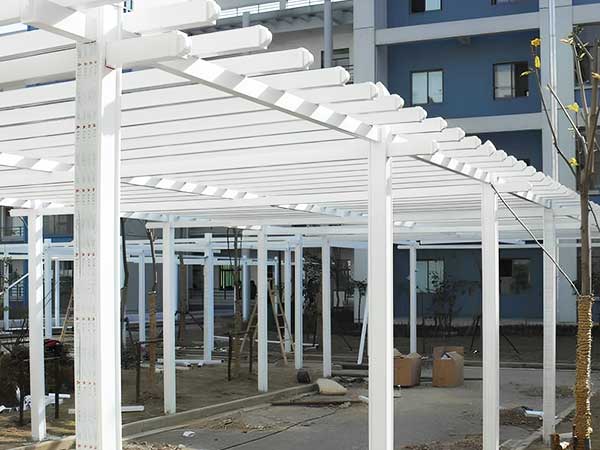
However, vinyl has some downsides. It may not be suitable for extremely cold or hot climates as it is sensitive to temperature changes and can crack in extreme weather. Also, it is less durable than wood or metal, potentially fading and becoming brittle under prolonged UV exposure. Vinyl’s strength is lower, making it less stable in windy conditions or when heavy loads are involved.
4. Wood-Plastic Composite (WPC)
WPC is gaining popularity in modern Pergola construction. Made from wood fibers or wood flour mixed with plastics (like PE, PP, PVC) and additives, this composite material combines the best of wood and plastic.
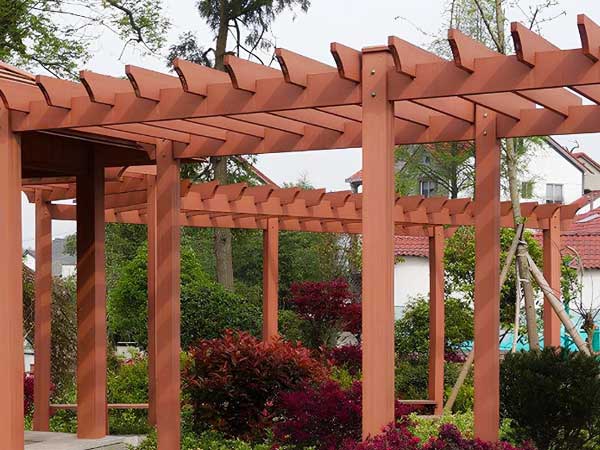
WPC resembles natural wood while offering superior resistance to decay, insects, and moisture. It doesn’t require frequent maintenance like natural wood, saving time and cost. However, WPC is generally more expensive due to its complex manufacturing process. It also tends to have simpler designs compared to wood or metal and may scratch or stain more easily.
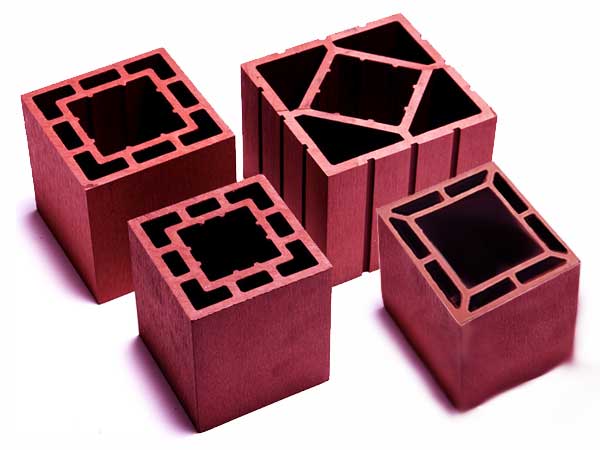
When to Choose WPC Pergolas?
WPC suits various climates and offers long-term durability with low maintenance costs. It provides a natural look and meets modern, minimalist design needs. Additionally, WPC materials incorporate recycled wood and plastic, making it an eco-friendly option.
5. Fiberglass
Fiberglass is a lightweight yet robust material that is essentially maintenance-free. Thanks to its non-porous nature, it will not rot, and it stands up well to moisture and everyday weathering. Another practical advantage is that fiberglass is paint-friendly, allowing you to refresh or change colors whenever your design calls for it.
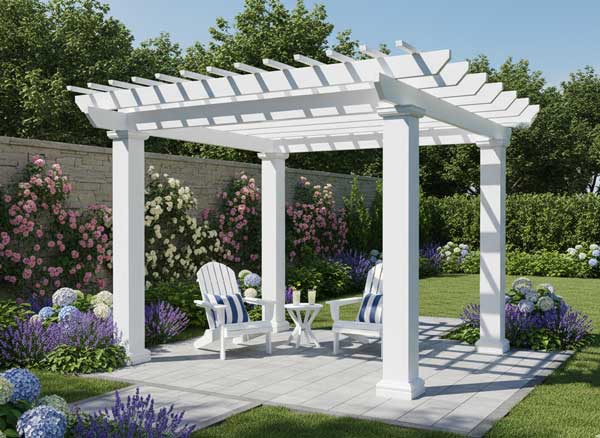
If you want a low-maintenance, long-lasting structure with flexible color updates over time, especially in climates with frequent moisture and where rot resistance matters, fiberglass is the best choice for your pergola.
6. Concrete / Reinforced Concrete
Concrete provides excellent compressive strength, and when combined with rebar (or prestressed strands), it gains significant tensile and flexural capacity. It is commonly used for footings, columns, support beams, or even the entire pergola frame. Suitable for large spans and high-traffic public or commercial landscapes, concrete can be cast in place or assembled from precast components and typically requires low maintenance over its service life.
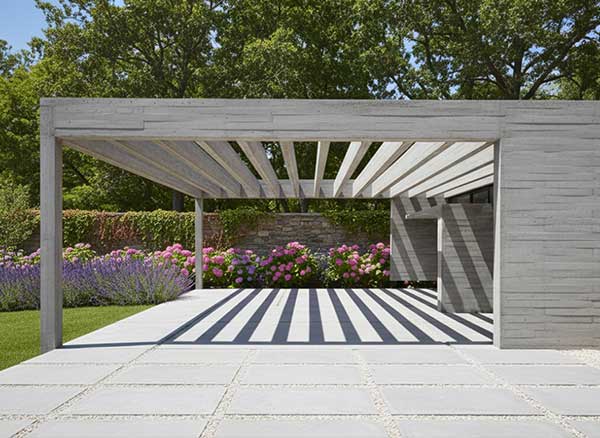
You can choose concrete (reinforced) for heavy-duty, long-span, or public-use pergolas where structural stiffness, stability, and durability are top priorities.
7. Natural Stone (Granite, Limestone)
Natural stone is dense, durable, and visually striking, making it a popular choice for columns, plinths, and decorative pedestals. Granite offers high abrasion resistance, strong freeze–thaw performance, and long-lasting color—ideal for luxury courtyards and classical gardens. Limestone has a warmer, softer look and is easier to work with, making it a good fit for classical or rustic styles.
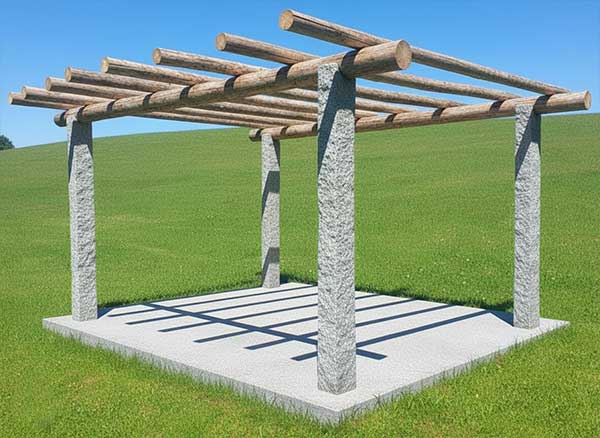
Maker sure to choose granite or limestone to achieve a timeless, substantial aesthetic with excellent longevity and minimal structural movement, particularly where the landscape calls for premium materials and traditional design cues.
8. Bamboo
Bamboo is a common material for DIY Pergolas, beloved for its natural beauty. It blends seamlessly with gardens, creating a harmonious atmosphere. Bamboo’s hollow structure makes it lightweight and easy to handle.
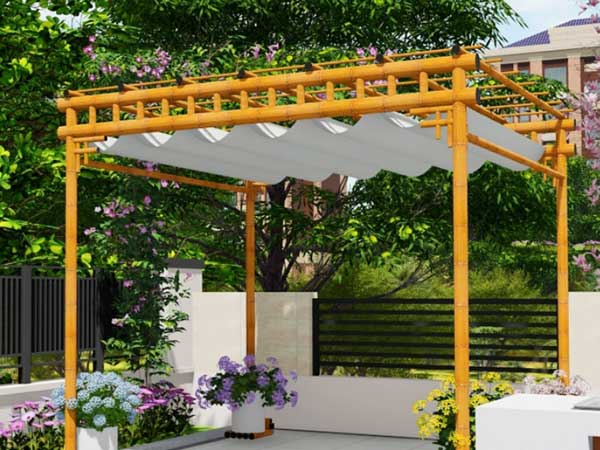
However, bamboo is less durable than other materials. To extend its lifespan, special treatments are necessary, as is ongoing maintenance. Bamboo is prone to moisture absorption and expansion in humid environments, which can lead to deformation or damage. It’s better suited for warm, dry climates.
When choosing bamboo, consider the climate, cost, and maintenance. Bamboo is affordable, but maintenance costs can be higher. It fits natural yard designs, adding a unique aesthetic that other materials cannot match.
Conclusion
Each Pergola material has its unique advantages and considerations. The final choice depends on your needs, yard design, climate, and budget. Wood or bamboo might be ideal if you value natural beauty and don’t mind maintenance. Metal or WPC could be more suitable if you want durability with less maintenance. Vinyl offers a budget-friendly and adaptable option. Whichever material you choose, ensure it perfectly matches your outdoor space so you can enjoy the comfort and beauty a Pergola brings.
If you want to buy pergola or gazebo products in bulk from China, feel free to contact LIDA OUTDOOR now. We provide a wide range of patio & outdoor shade products >